
What a sponsor actually wants from a local newsletter, and how to keep them renewing
A sponsor renews when you give them something measurable to say yes to again, and you can deliver it every week without burning your evenings.
- Sponsors renew on evidence, not goodwill: a repeatable placement, a clear price and a report after each run.
- Set the rate from a revenue target divided by the ad slots you can actually sell, with CPM as a sanity check.
- A weekly issue schedule is what makes an ad slot sellable at all.
- Production has to fit the schedule; the manual workflow behind one issue takes 2 to 3 hours.
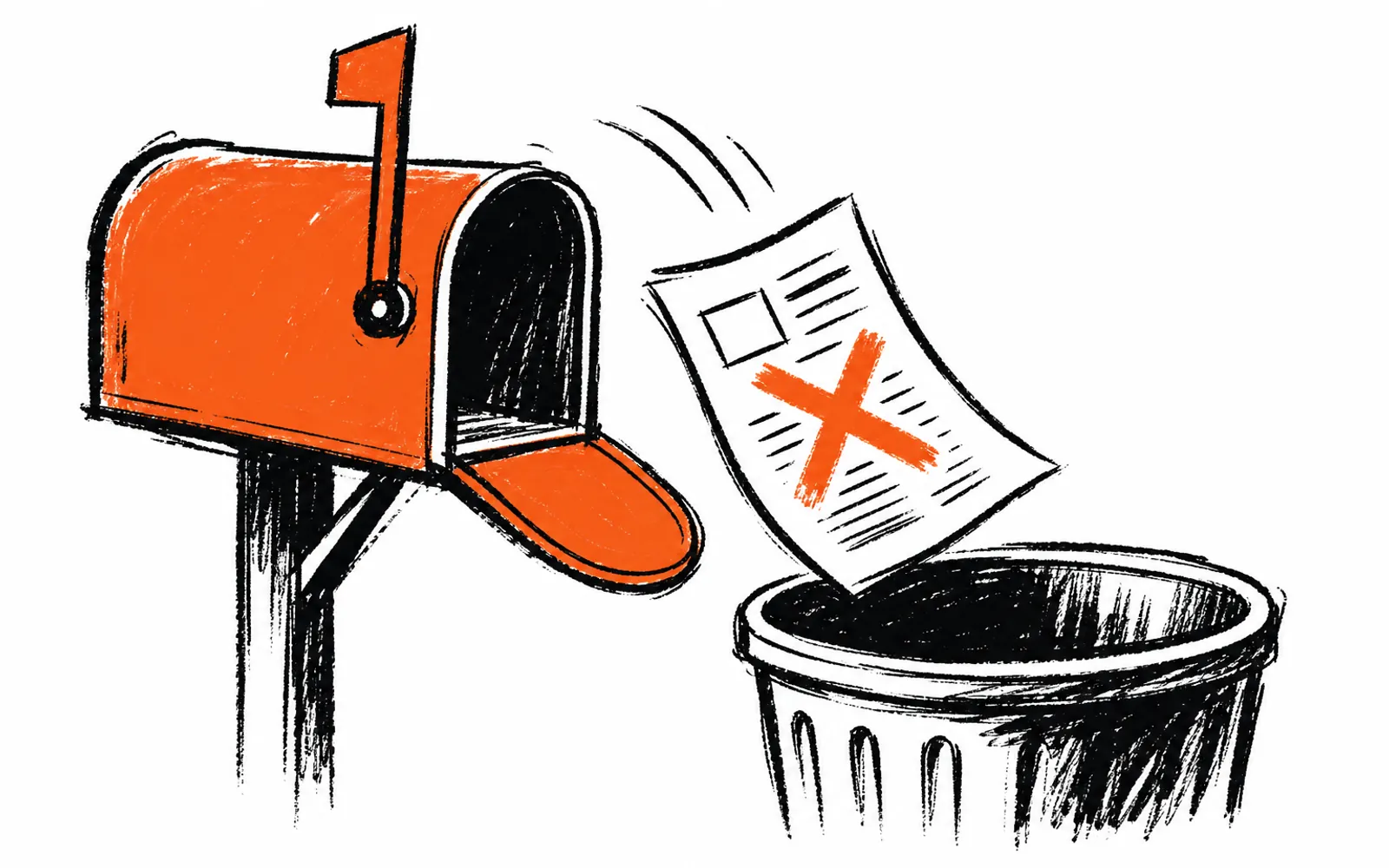
The contract runs out on a Friday and the sponsor has not said anything. The publisher has not either. The temptation is to send a short email asking if they want to keep going, and hope the answer is yes. That question puts the whole decision on goodwill, and goodwill is what runs out first when a business reviews its spending. Keeping a sponsor is about giving them something measurable to say yes to again: a placement that ran when you said it would, a price they understood, and a report showing what happened.
This article covers what sponsors of local newsletters are actually buying, how to set a defensible rate, how to report results so a renewal is an easy decision, and how to keep the production side from breaking the promise.
What the sponsor is actually buying
A local business does not buy reach the way a national brand does. It buys specificity. A coffee shop cannot buy two thousand engaged residents through Facebook or Instagram organic reach anymore, and local TV and radio cost more than most small businesses can justify. A clean local email list of two thousand engaged residents is more valuable to most small businesses than any other channel they can buy, because every name on it lives within driving distance of the register. That specificity is the product. The publisher's job is to say so plainly, in the pitch and in the renewal conversation.
What the sponsor wants, underneath the invoice, is a repeatable path to local customers. That means the same slot, in the same issue, on the same day, week after week, with the newsletter arriving looking edited rather than thrown together. A one-off placement can be an experiment. A renewal means the sponsor is betting the pattern holds. The publisher has to be able to promise the pattern and keep the promise without the production eating the week.
How to set the rate
CPM means cost per thousand impressions, and it is the starting point for almost every ad rate. The formula is simple: divide the list size by 1,000, then multiply by the CPM you want to charge. A 2,000 person list at a $25 CPM is 2,000 divided by 1,000, times 25, which comes to $50 per issue. A 5,000 person list at the same CPM is $125. CPM is useful as a sanity check even when the final quote is not based on it.
The honest limitation of CPM on a small local list is that it produces small numbers, and the value of a local list is specificity rather than raw reach. That is why many local newsletters price above what the raw CPM math suggests. For the actual quote, flat fees are simpler for small lists and easier for local businesses to say yes to. A flat fee is a fixed price per issue or per placement, which a local buyer understands without a media kit and which the publisher can invoice without explanation.
The most defensible way to land on a number is to work backward from a revenue goal. Decide what the newsletter should earn per month or per year, divide that by the number of ad slots you can actually sell, and the result is your minimum defensible price per slot. A weekly issue schedule is what makes a slot sellable at all: 52 issues a year means 52 chances for a sponsor to appear, and a renewal conversation has real inventory behind it. An irregular schedule shrinks both the price and the renewal case.
How to report results so the renewal is easy
After each run, send the sponsor a short note with what the email platform reports: how many people received the issue, how many opened it, how many clicked the sponsor's link. The exact metrics depend on the sending platform; Beehiiv and ActiveCampaign both report delivery and engagement on every send. What matters is that the report arrives without the sponsor having to ask, every time, in the same shape. A sponsor who gets the same one page report after every issue can compare runs and see consistency, and consistency is what justifies signing again.
The renewal conversation should happen before the contract lapses, not after. Bring the reports from every run, the rate, and the next schedule. The pitch is the pattern: this ran, here is what happened, here is the next block of issues. That is a measurable decision for the sponsor rather than a favor being asked. If the results were weak, the report still helps, because it shows the publisher is watching the numbers and can suggest a different placement or a different offer copy for the next block.
Who this approach works for, and who it does not
This works for a publisher running one local newsletter or a portfolio of them, often with a small or part-time team working to a deadline. It does not work for someone publishing irregularly, because an irregular issue has no sellable slot and no pattern to report. It also does not work if production is unstable. A sponsor who paid for the October 14 issue and received it on October 16 does not renew, no matter what the report says.
Keeping production sustainable
This is where sponsorships quietly live or die. The manual workflow behind one local newsletter issue takes 2 to 3 hours: gathering stories from the city, the schools, the shelter and the community calendar, writing them, making visuals, and checking every link, price and date before send. A weekly issue means those hours come out of the publisher's week every single week. When a deadline slips, the sponsor slot slips with it.
lightbreak is one way publishers hold up the production end. It is newsletter publishing software for local media that pulls in local news, restaurants, businesses, homes, events, pets and jobs, writes each story in the publication's voice, makes GIFs for homes, pets and restaurants, checks the whole issue with a review agent, and pushes the finished issue to Beehiiv or ActiveCampaign. Most publications on lightbreak ship an issue in under 15 minutes from source to send, against the 2 to 3 hours the manual workflow takes. The team behind it runs 20+ local publications with 175,000+ subscribers, so the schedule promise is one they keep themselves. A person still decides when an issue sends. Pricing depends on how many publications you run and is quoted on a call; every plan includes unlimited issues, every source feed, the review agent, and templates set up for you.
Build the sponsor system once
- 01Commit to a weekly schedule
Pick a send day and keep it; 52 issues a year is what makes a slot sellable.
- 02Set a revenue target
Decide what the newsletter should earn per month or per year.
- 03Count your sellable slots
Multiply issue count by placements per issue to get yearly inventory.
- 04Price the slot
Divide the revenue target by slots to get a minimum price, and check it against CPM math.
- 05Quote a flat fee
Offer a fixed price per issue or placement that a local buyer can approve without a media kit.
- 06Report after every run
Send the same short metrics page from your email platform after each issue, unprompted.
- 07Renew before the contract lapses
Bring the reports and the next schedule, and sell the pattern.